“Villa” and “residence” are used loosely in Cyprus property listings, and the difference is rarely explained to the person paying for it. Both can be detached. Both can sit on a generous plot. What separates them is how much of the site, the boundary and the responsibility belongs to one household — and that single distinction drives privacy, running cost, security and resale.
This guide compares the two honestly, so you can decide which one you actually want to live in rather than which one sounds better in a brochure.
The definitions, in practice
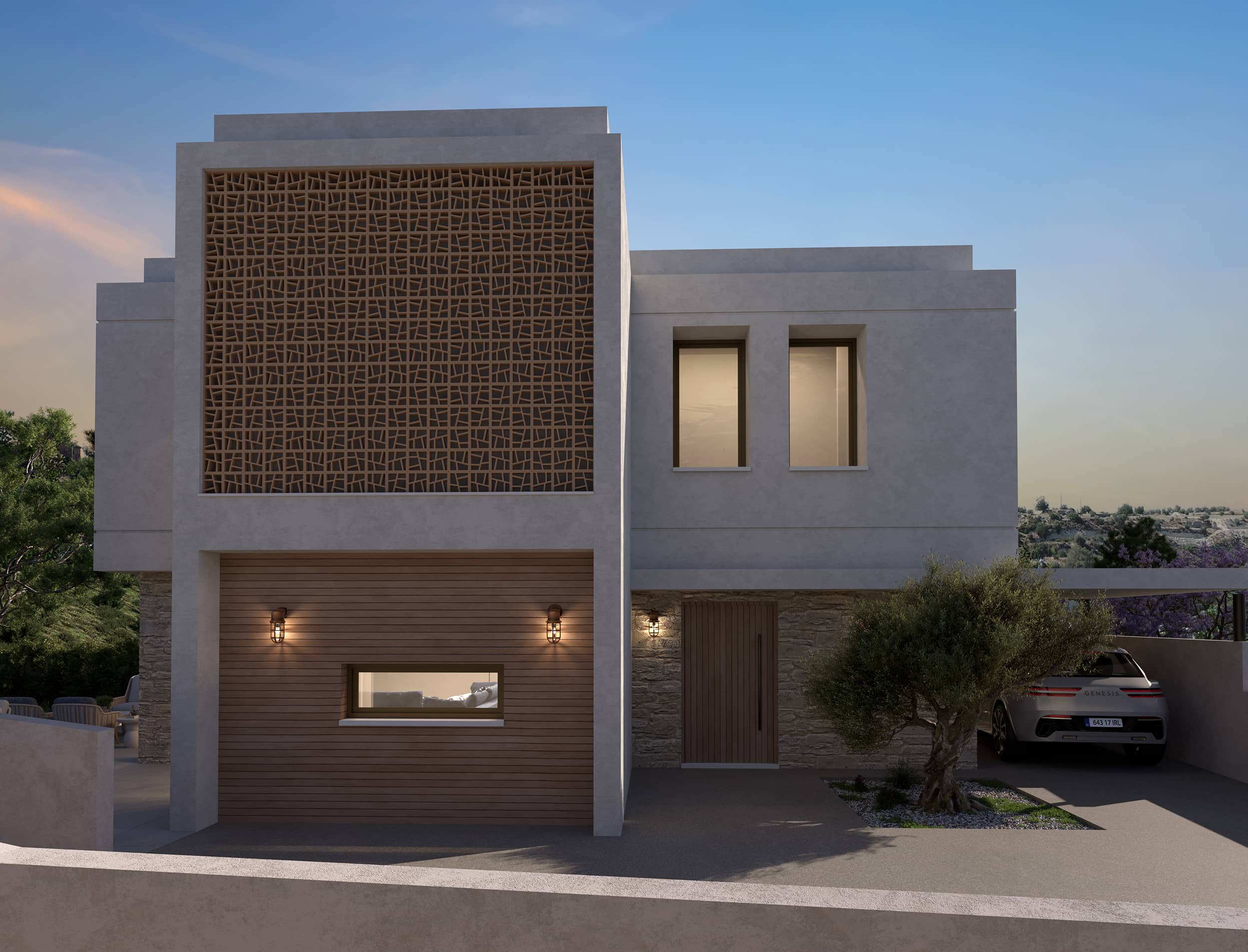
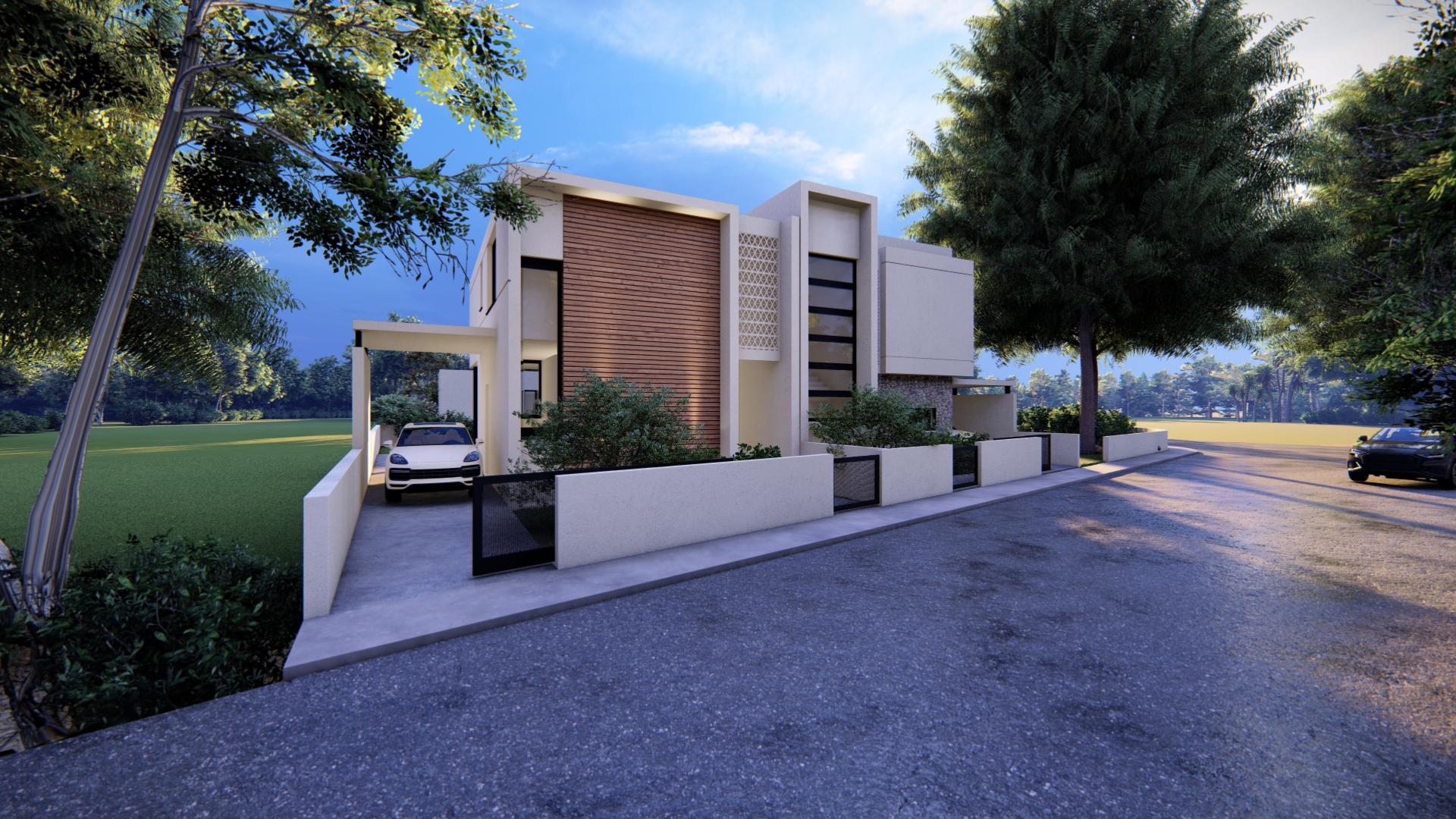
A standalone villa is a single house on its own plot, with its own access, boundary and services, usually with no shared infrastructure and no shared rules. A residence-style development is a small group of individual houses planned together: each family owns its house and plot, while road, landscaping, lighting and sometimes drainage are designed and maintained as a set.
Freedom Residences is the second type. Each home is detached or semi-detached on its own generous plot; the shared layer is the infrastructure between the homes, not the homes themselves.
Privacy and distance
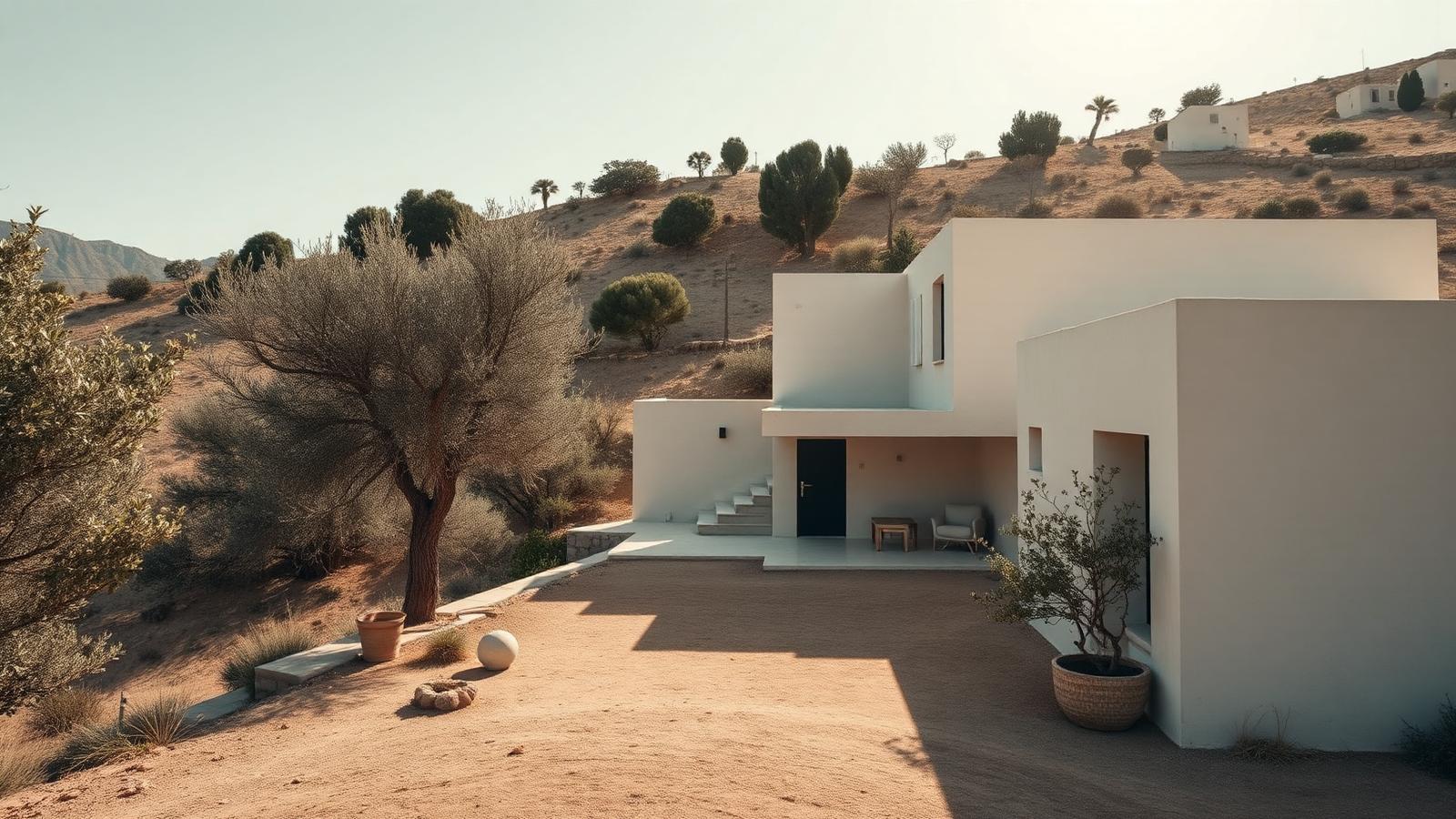
A villa on an isolated plot offers maximum privacy — nobody is planning anything next door because there is no next door. The trade-off is exposure: an empty perimeter is harder to secure, and a house with no neighbours is a house with no one to notice.
In a planned residence, privacy is designed rather than accidental. Openings are positioned to avoid facing each other, plots are set apart, and planting does the rest. You give up total isolation and gain a street where a delivery, a stranger or an unlocked gate is visible to someone.
Running cost is where the gap widens
A villa carries the full weight of maintenance on one household: the drive, the boundary walls, the external lighting, the landscaping, the pump, the pool if there is one, and the insurance premium that reflects an unattended perimeter.
A residence spreads the infrastructure cost across several families. The monthly contribution is a real cost and should be asked about before you sign — but it is normally lower than doing the same work alone, and it keeps the setting maintained whether or not you are in the country that month.
Ask for the actual figures: what the contribution covers, who administers it, and how it has changed. A developer who cannot answer that has not planned the maintenance.
Energy and comfort
Here the decisive factor is not the label but the siting. A detached house with openings on several elevations can be cross-ventilated on a summer evening and shaded in the afternoon if it has been oriented correctly. A poorly oriented villa on a large plot will cost more to cool than a well-oriented house in a planned scheme.
Ask for the energy class, the glazing specification and the orientation diagram before you compare the two categories at all.
Resale and liquidity
Villas appeal to a narrower, wealthier buyer pool and are more sensitive to the specifics of the individual plot. Homes in a coherent, well-maintained residence tend to have a broader family market and a visible reference point for value, because comparable sales inside the same scheme are easy to find.
Neither is universally better. A well-located villa with land can outperform; a tired villa with a large maintenance liability can sit unsold while the well-kept scheme next door transacts.
Which one is right for you
Choose a villa if you want total control of the boundary, intend to alter the site substantially, are comfortable managing maintenance yourself, and value isolation over neighbours.
Choose a residence if you want the space and privacy of a house without carrying every external cost alone, if you travel and want the setting maintained in your absence, or if you have children and value a street where other families live.
The questions that decide it are the same in both cases: how much land is in the title, which way does the house face, what will it cost to run, and what exactly am I responsible for maintaining?
Frequently asked questions
- Is a villa or a residence cheaper to run in Cyprus?
- A residence usually costs less in external upkeep because road, lighting and landscaping are shared, though a monthly contribution applies. A villa avoids the contribution but carries the full maintenance, insurance and security burden alone.
- Do you own the land in a residence-style development?
- In our developments each family owns its own house and plot; the shared element is the infrastructure between the homes, not the homes themselves.
- Which holds value better on resale?
- Neither wins automatically. Well-kept schemes have a broader family market and visible comparable sales, while a well-located villa with substantial land can outperform if the plot is genuinely good.