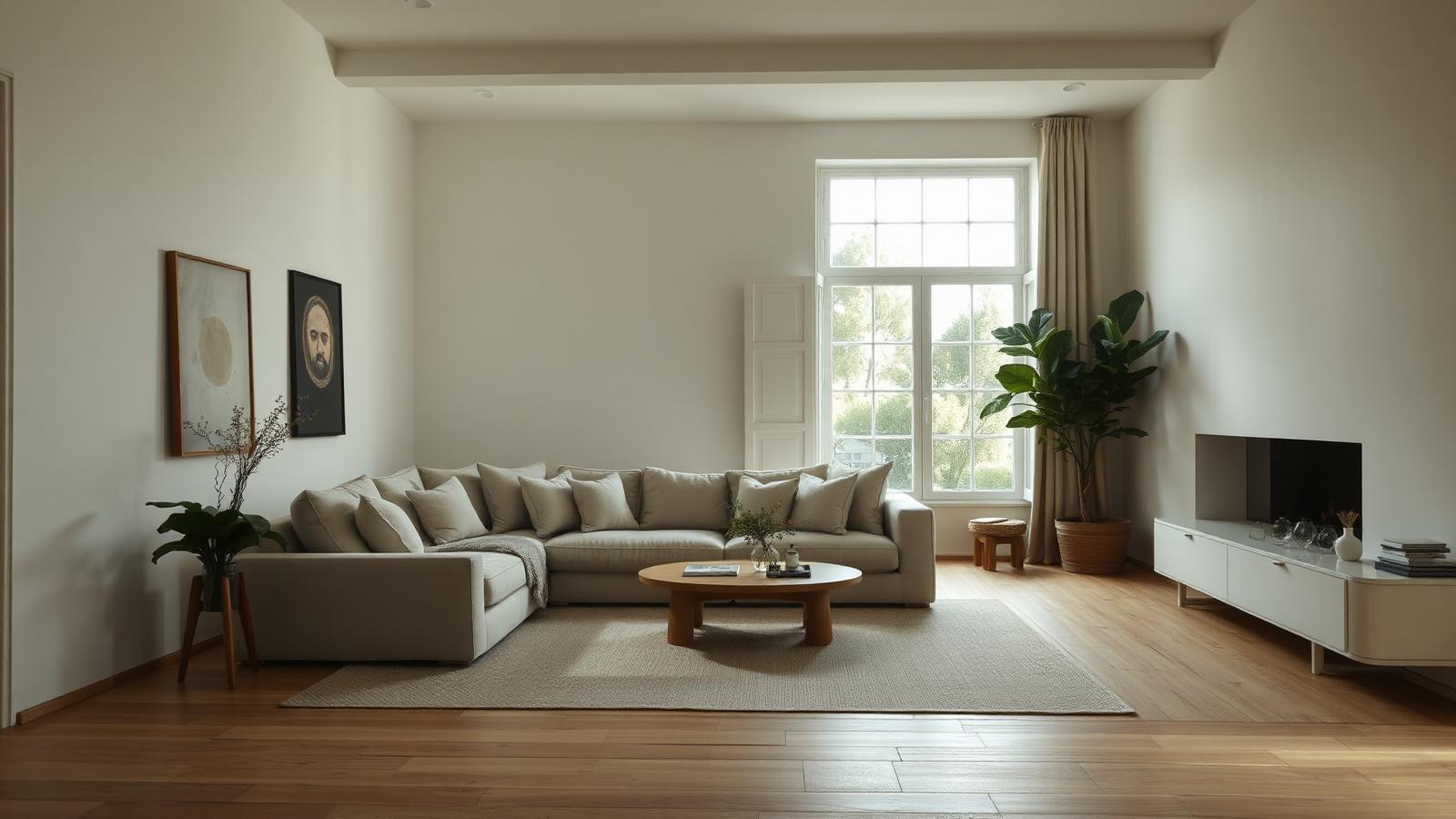
“I wanted to build the kind of house I would raise my children in. That is the entire brief.”
Theodosios Nicolaou founded Extraland Estates during the pandemic, after a year spent looking for land around Limassol that a normal family could still afford. In this conversation he explains why the company builds fewer homes on bigger plots, what a “family developer” owes its buyers, and why every project starts with a tree survey rather than a floor plan.
The idea came from a lockdown, not a spreadsheet
“Being confined inside four walls without a garden made something obvious to me. A family does not need more square metres of floor. It needs ground. Somewhere a child can be sent outside without an adult putting shoes on and getting in a car.”
“At that point I was not thinking about a company. I was thinking about my own house. The company came later, when I realised how few options existed for anyone with the same requirement and a Cypriot salary.”
Why Sotira, after a year of searching
“We looked all around Limassol. Inside the city, land is priced for apartment blocks — you cannot buy it and then put one family on it. Far from the city, land is cheap but the life does not work: the commute breaks, the schools are wrong, the shopping is a project.”
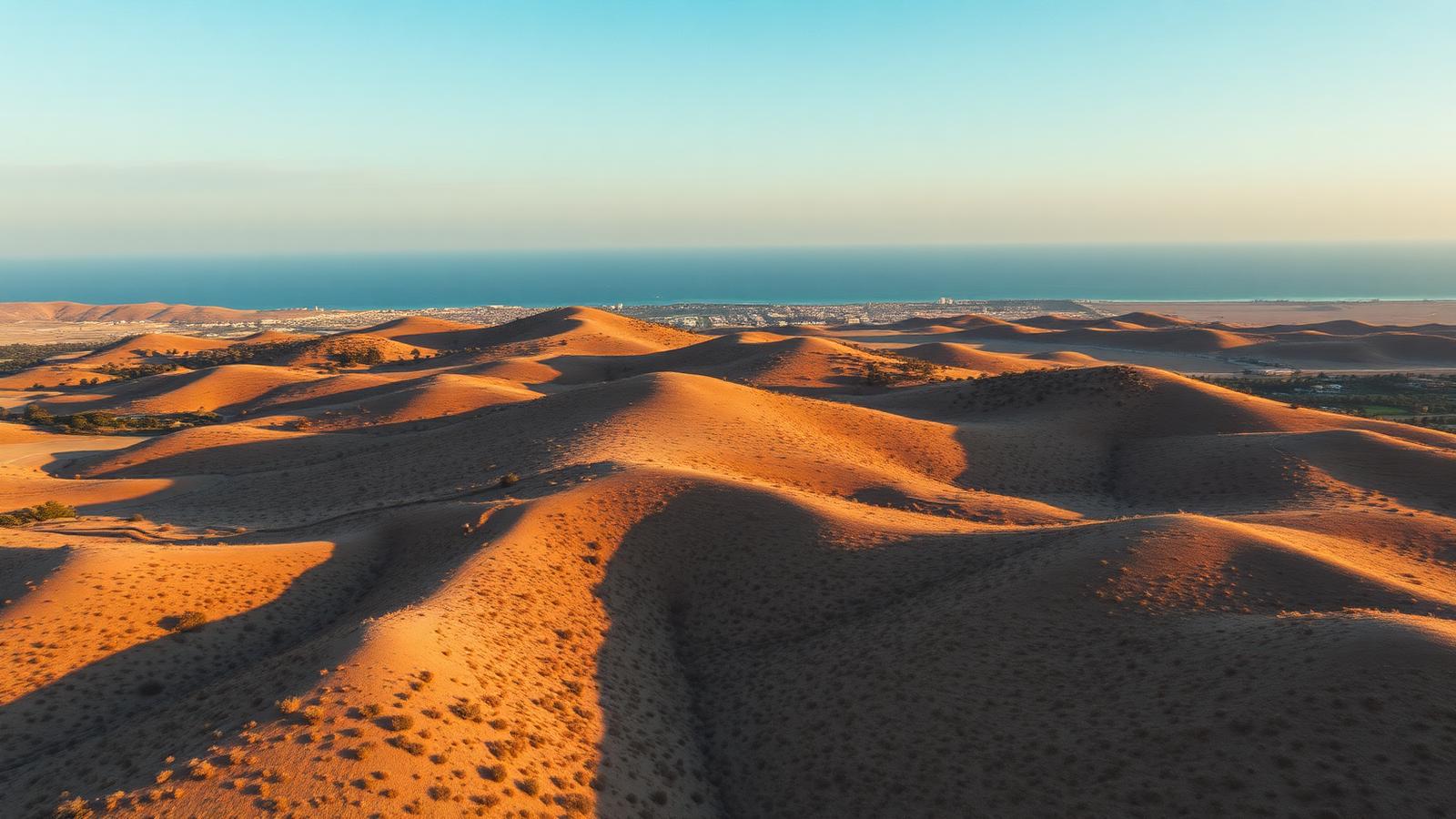
“Sotira was the point where both sides still held. Close enough that work and schools stay on the same commute, far enough that a family-scale plot is still priced for a home rather than for speculation. It took a year to be sure of that, and I would do the year again.”
Building fewer homes, better
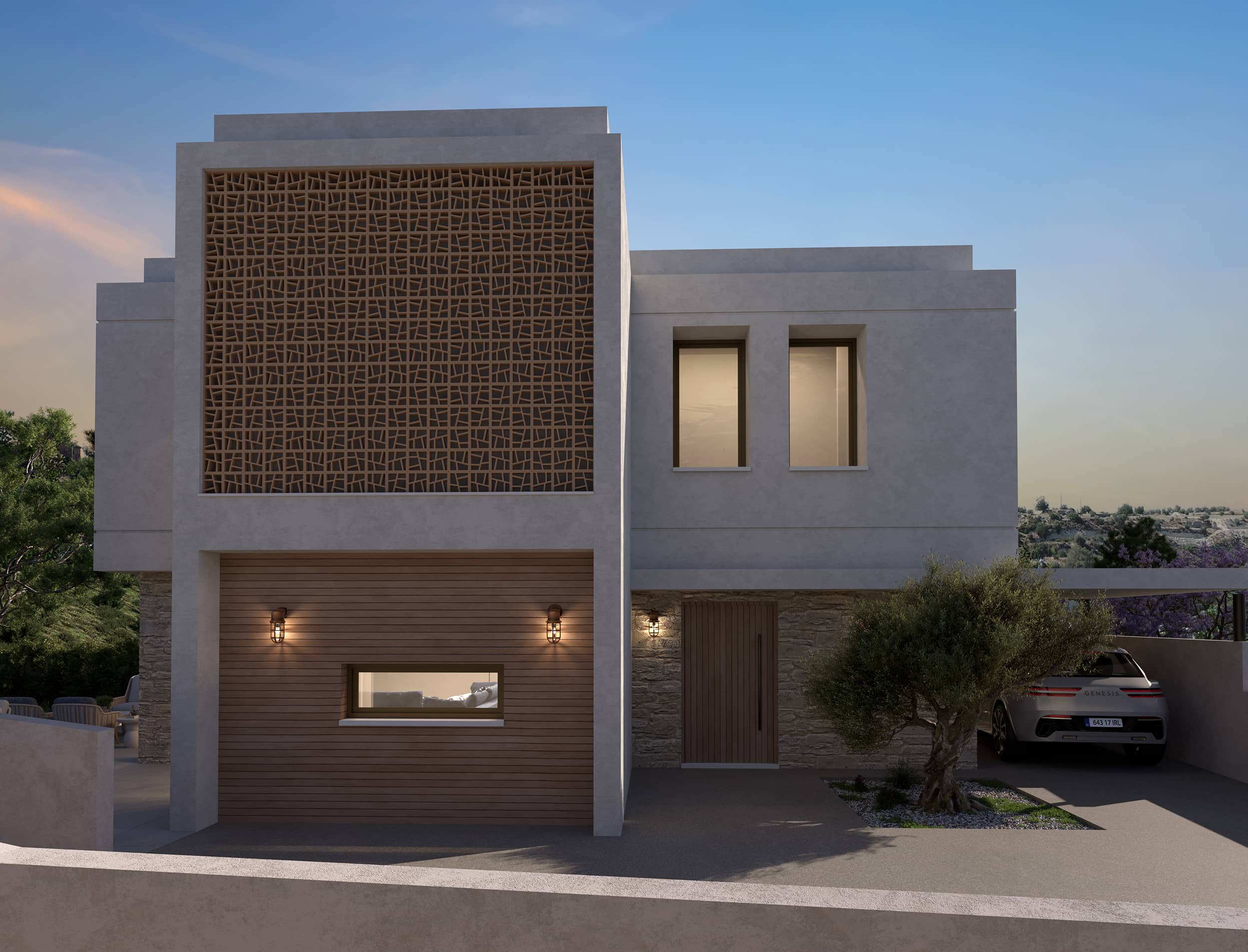
“The standard model is to fit as many units as the plot ratio allows and sell the finish. Our model is to fit fewer, keep the land in each title, and sell the house. It is a less efficient use of a hectare and a much better use of a family's money.”
“It also changes how you work. When you are delivering ten homes rather than a hundred, every single one is identifiable. There is no anonymous unit. The family that buys number five will call me, not a call centre.”
Why the tree survey comes before the floor plan
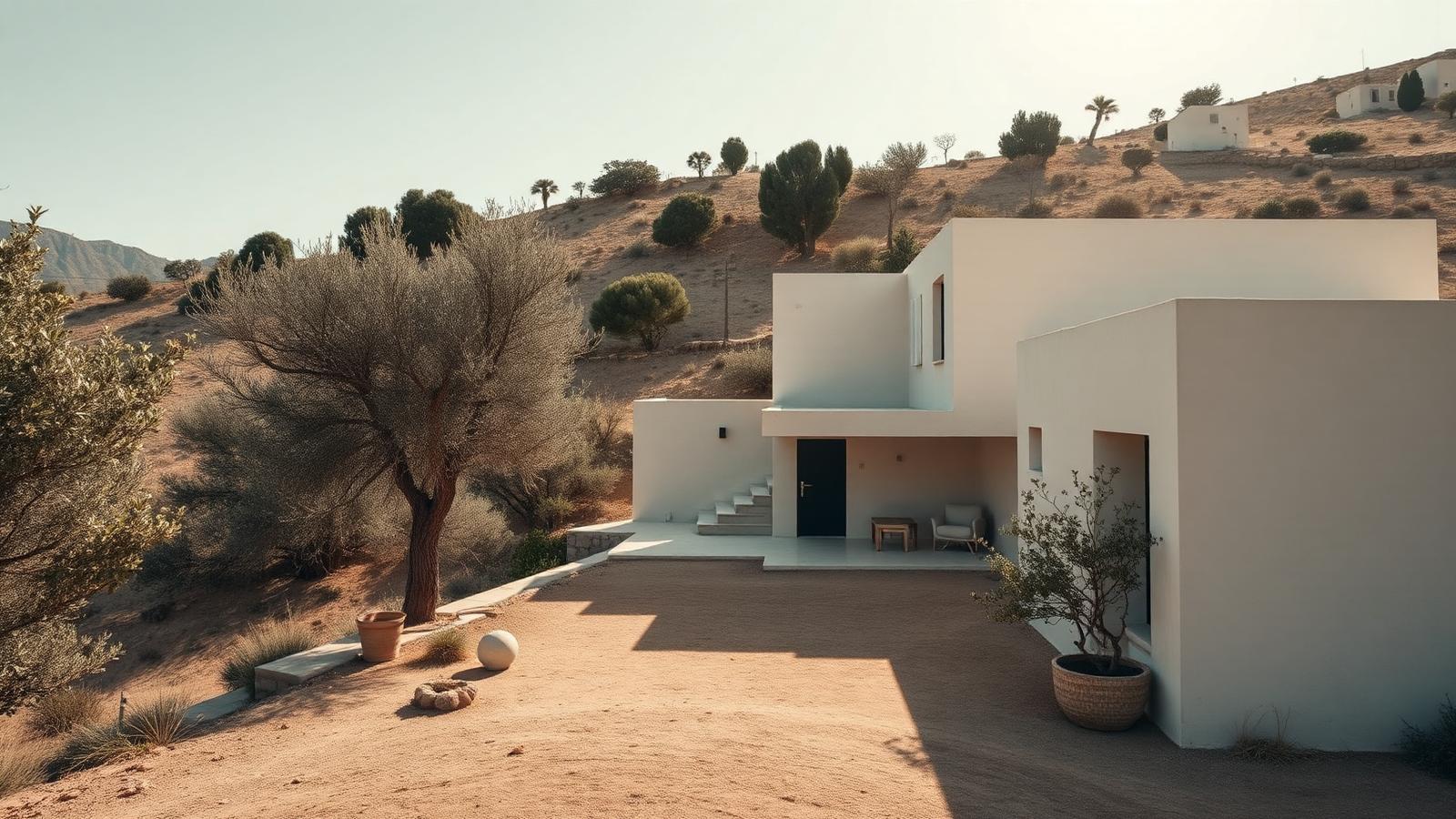
“A mature tree is thirty years of shade you did not have to pay for. A terrace wall that has stood for a century tells you where the water goes. If you bulldoze the site first and design afterwards, you throw all of that away and then spend money replacing it with equipment.”
“So we survey what is there — levels, trees, walls, wind, the direction of the afternoon sun — and the plan is the last thing we draw, not the first.”
What 'family developer' has to mean
“Anyone can put the word family in a brochure. In practice it means three things: price the house against what a household actually earns, publish the truth about status and delivery even when it is inconvenient, and answer the phone after handover.”
“That is why our availability and prices come straight from our operational system. If a home is reserved on Monday, the website says so on Monday. I would rather lose an enquiry than have a family plan around something that is no longer true.”
The part that has not changed
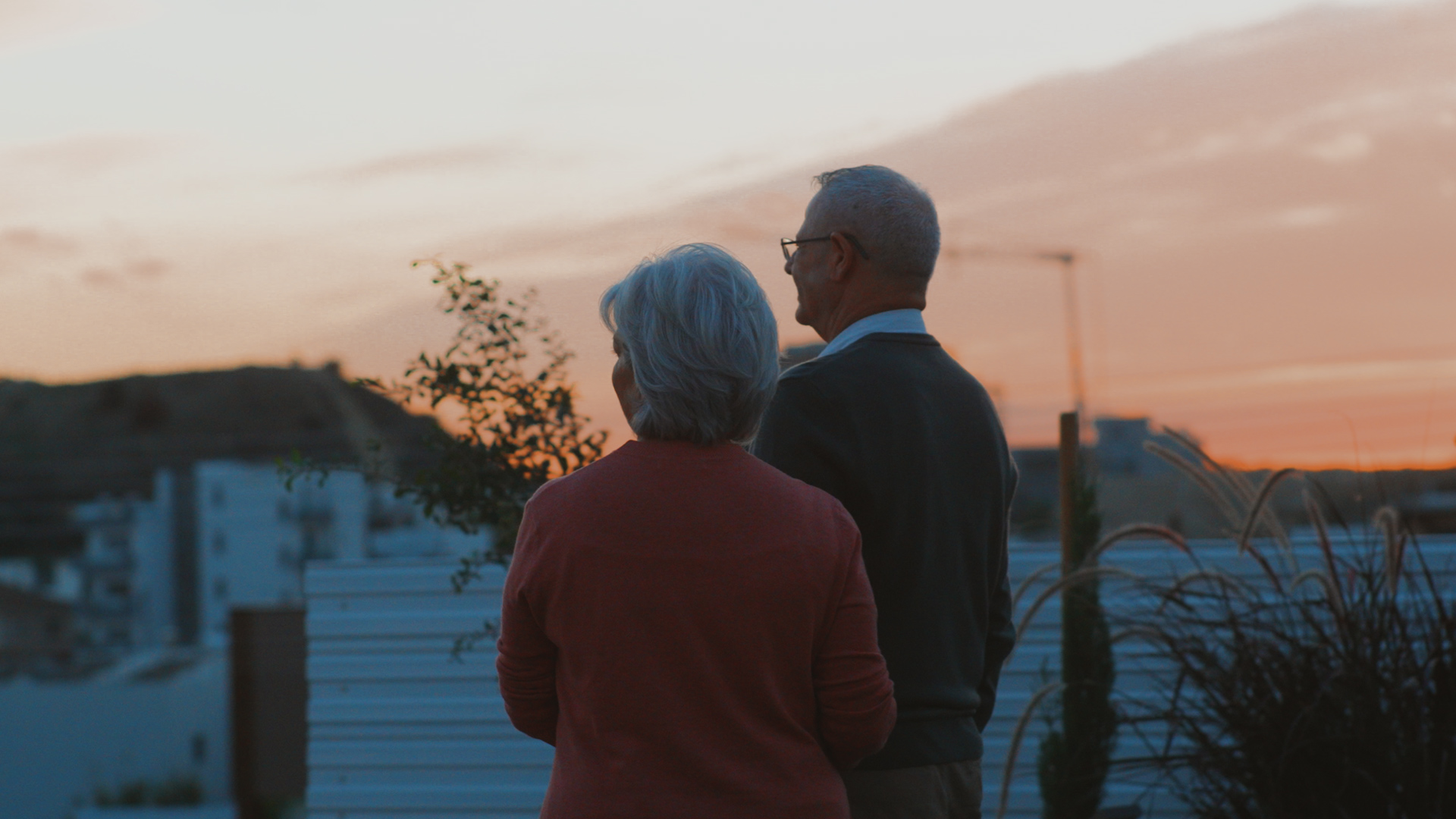
“Every family should have the right to dream — the right to their own ground, their own daylight, their own quiet. It sounded romantic when we started. Now it is simply the specification.”
“If you want to understand the company, do not read about it. Come and stand on one of the plots in the late afternoon and see where the shade falls.”
Frequently asked questions
- Who founded Extraland Estates?
- Theodosios Nicolaou, Founder & CEO, who started the company after searching for land around Limassol that an ordinary Cypriot household could still afford.
- Why does Extraland build fewer homes per site?
- Fitting fewer houses keeps land in each title and keeps every home identifiable through construction and after handover, at the cost of a less efficient use of the site.
- What does “family developer” mean in practice?
- Pricing against real household income, publishing accurate status and delivery information even when inconvenient, and remaining reachable after handover.